

Do LED garden lights work well in cold weather?
Do LED garden lights work well in cold weather? This is a question that many of our customers often ask, especially those living in regions with harsh winters. As a leading supplier of Garden Light Lamp, we have in - depth knowledge of the performance of LED garden lights under various environmental conditions. In this blog post, we will delve into the science behind how LED garden lights fare in cold weather.
Understanding the Basics of LED Technology
Before we explore the impact of cold weather on LED garden lights, it is essential to understand the basic principles of LED (Light - Emitting Diode) technology. LEDs are semiconductor devices that emit light when an electric current passes through them. Unlike traditional incandescent bulbs, which produce light by heating a filament, LEDs generate light through a process called electroluminescence. This process is much more energy - efficient and produces less heat.
One of the significant advantages of LEDs is their ability to operate over a wide range of temperatures. In general, LEDs perform better in cooler temperatures compared to warmer ones. This is because the semiconductor materials used in LEDs are more efficient at lower temperatures. When an LED is operating at a high temperature, there is more thermal energy that can interfere with the movement of electrons, leading to a decrease in efficiency and light output.
Effects of Cold Weather on LED Garden Lights
Light Output
In cold weather, LED garden lights often experience an increase in light output. This is due to the fact that the reduced temperature allows the semiconductor materials in the LEDs to operate more efficiently. The electrons can move more freely, resulting in a higher rate of electroluminescence and a brighter light. Many laboratory tests have shown that LEDs can have up to a 10 - 20% increase in light output when the temperature drops from room temperature to near - freezing levels.
For example, in a residential garden in Canada, where the winter temperatures can drop well below zero, our outdoor lights for garden have been installed for several years. Homeowners have reported that the lights seem to shine brighter during the cold winter months, creating a more enchanting and well - lit outdoor space.
Energy Efficiency
Cold weather also has a positive impact on the energy efficiency of LED garden lights. Since the LEDs are operating more efficiently in cooler temperatures, they require less energy to produce the same amount of light. This means that they can save even more energy in cold climates, which is not only beneficial for the environment but also for your electricity bill.
Lifespan
The lifespan of LED garden lights is generally longer in cold weather. Heat is one of the main factors that can shorten the lifespan of an LED. Higher temperatures can cause the materials in the LED to degrade more quickly, leading to a reduction in light output over time. In cold weather, the reduced temperature reduces the stress on the LED components, which can extend the lifespan of the lights. Research has shown that LEDs can last up to 20% longer in cold environments compared to warm ones.
Potential Challenges in Cold Weather
While LED garden lights generally perform well in cold weather, there are some potential challenges that need to be considered.
Battery Performance
If your LED garden lights are battery - powered, the cold weather can have a negative impact on the battery performance. Batteries, especially lithium - ion and lead - acid batteries, have reduced capacity and charging efficiency in cold temperatures. The chemical reactions inside the batteries slow down, which means that the batteries may not hold as much charge and may take longer to recharge.
To mitigate this issue, it is recommended to choose high - quality batteries that are designed for cold - weather use. Some advanced battery technologies, such as certain types of lithium - iron - phosphate batteries, are more resistant to the effects of cold temperatures. Additionally, storing the batteries in a warmer location when not in use can also help to maintain their performance.

Condensation and Moisture
Cold weather can also lead to condensation and moisture issues in LED garden lights. When the temperature drops, the moisture in the air can condense on the surface of the lights. If the lights are not properly sealed, this moisture can seep into the internal components, causing damage over time.
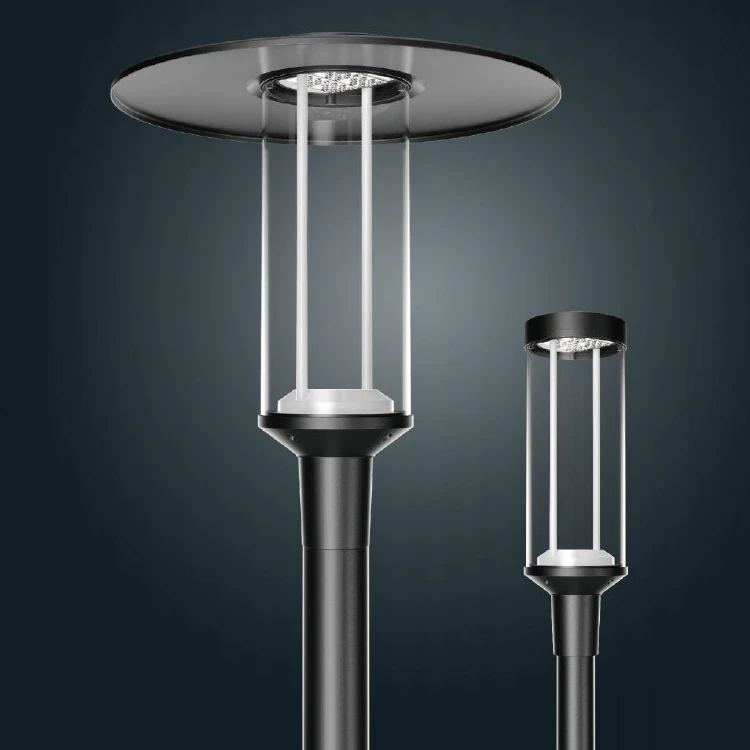
To prevent this, our Led Garden Light Kit products are designed with high - quality sealing materials to ensure that they are waterproof and resistant to moisture. Regularly checking the lights for any signs of condensation or water damage and taking appropriate measures to dry them out can also help to extend their lifespan.
Choosing the Right LED Garden Lights for Cold Weather
When selecting LED garden lights for cold weather, there are several factors to consider.
Temperature Rating
Look for LED garden lights that have a wide temperature rating. Reputable manufacturers will usually specify the operating temperature range of their products. Make sure that the lights can operate effectively in the lowest temperatures that your region experiences.
build Quality
Choose lights with a durable build quality. They should be made of materials that can withstand the harsh conditions of cold weather, such as strong plastics or corrosion - resistant metals. The lights should also be properly sealed to protect against moisture and condensation.
Power Source
As mentioned earlier, if you choose battery - powered lights, pay attention to the type of battery and its cold - weather performance. Alternatively, you can also opt for solar - powered LED garden lights. Solar panels can still collect energy on sunny days in winter, and some models are designed to work efficiently in low - light conditions.
Conclusion
In conclusion, LED garden lights generally work very well in cold weather. They offer improved light output, energy efficiency, and lifespan compared to warmer temperatures. However, there are some potential challenges, such as battery performance and moisture issues, that need to be addressed.
As a reliable supplier of LED garden lights, we have a wide range of products that are specifically designed to perform well in cold weather. Our Garden Light Lamp, outdoor lights for garden, and Led Garden Light Kit are all carefully engineered to meet the needs of our customers in cold - climate regions.
If you are interested in purchasing LED garden lights for your outdoor space, whether it's for a residential garden, a commercial landscape, or a public park, we invite you to contact us for more information. Our team of experts will be happy to assist you in selecting the right products for your specific requirements. We look forward to the opportunity to work with you and help you create a beautiful and well - lit outdoor environment, even in the coldest of winters.
References
- "LED Lighting Handbook", published by the Illuminating Engineering Society of North America.
- Research papers on the performance of LED lights in different temperature environments from academic journals such as "Journal of Light and Visual Environment".